What Are Some Smart Snack Ideas for Alzheimer’s & Dementia Care Homes?
The smartest snacks for a loved one living with Alzheimer’s or dementia share three qualities: they’re easy to eat, they look inviting, and they offer real nourishment. A small bowl of soft fruit, a few cheese cubes, or a warm oatmeal cookie can turn an ordinary afternoon into a comforting moment while helping your loved one stay energized between meals.
Snacks matter whether your loved one lives at home, visits family often, or is part of a memory care community. Appetites and routines can shift as memory changes, and thoughtful snacking helps fill the gaps with energy, hydration, and a little joy.
Here are practical ideas organized by time of day, along with tips on presentation, dietary needs, and visits. As always, check with your loved one’s doctor or care team before introducing new foods, especially if there are swallowing concerns or food allergies.
What Makes a Snack “Smart” for Alzheimer’s and Dementia Care
A smart snack does more than fill a gap. It meets your loved one where they are. Four qualities make the biggest difference:
- Easy to handle. Bite-sized, soft pieces that can be picked up without a fork or spoon keep snacking simple and independent.
- Easy to see. Bright colors and a plate that contrasts with the food help each item stand out.
- Nourishing. Protein, fiber, healthy fats, and plenty of fluids go a long way in small portions.
- Familiar. Tastes tied to happy memories feel comforting and are often more inviting than something new.
Alzheimer’s and Dementia Snack Ideas by Time of Day
Offering snacks at consistent times can help create a gentle rhythm to the day. Small portions often work best, with a refill available if your loved one wants more.
Morning Boosters
Mornings call for gentle energy. Try yogurt topped with soft berries, oatmeal bites, banana slices with a thin layer of nut butter, scrambled egg wedges, or toast fingers spread with mashed avocado. These pair nicely with a warm drink and make a pleasant mid-morning pause.
Afternoon Pick-Me-Ups
The afternoon is a wonderful time for something savory and satisfying. Cheese cubes with soft crackers, hummus with warm pita triangles, quartered turkey and cheese sandwiches, and cottage cheese with peaches are easy to enjoy. Baked apple slices dusted with cinnamon add a touch of sweetness without being heavy.
Evening Wind-Down
Evenings are best with calm, comforting flavors. Applesauce with cinnamon, a soft oatmeal cookie, a small scoop of ice cream or frozen yogurt, or a mini muffin with decaf tea can help close the day on a cozy note.
Hydration Helpers: Snacks That Also Quench Thirst
Thirst cues can change as memory changes, so snacks that carry extra fluid are a smart addition. Consider these:
- Watermelon or cantaloupe cubes
- Cucumber slices with a mild dip
- Halved grapes or orange segments
- Fruit smoothies in a favorite cup
- Frozen fruit pops
- Gelatin cups
- Warm broth served in a mug
Offering a favorite beverage alongside the snack, and sitting down to enjoy it together, makes drinking feel natural instead of like a reminder. If your loved one has specific fluid guidelines, ask their doctor what works best.
Finger Food Snack Ideas for Alzheimer’s and Dementia
When forks and spoons become tricky, finger foods let your loved one keep eating independently, which supports dignity and confidence. Think mini sandwiches, pancake strips, soft steamed broccoli florets, sweet potato wedges, small meatballs, or mini quiche bites. Cut everything into manageable pieces, remove skins and tough edges, and skip very hard, crunchy, or sticky items. If chewing or swallowing is a concern, ask the care team which textures are safest.
Presentation Matters: Setting the Scene for a Snack
How a snack is served can matter as much as what’s served. A few small touches go a long way:
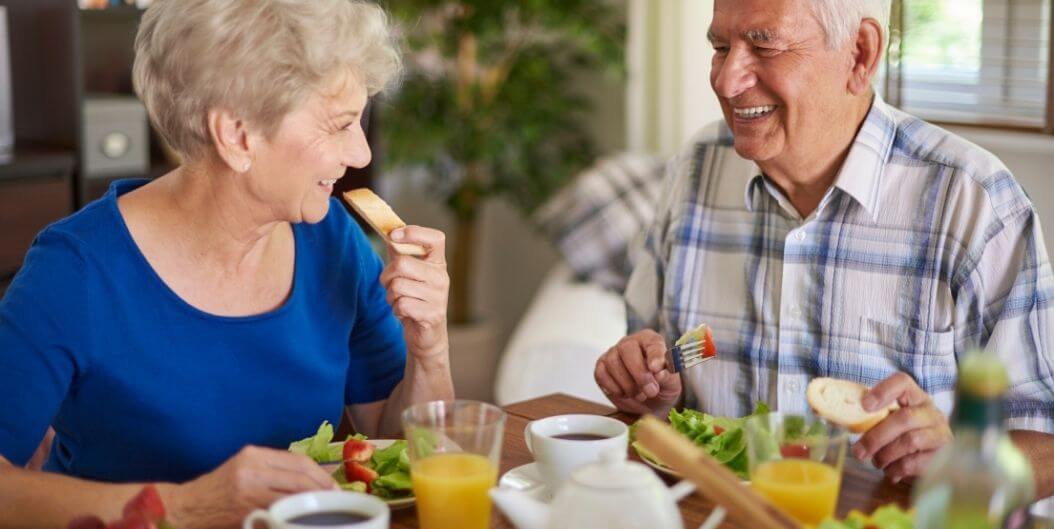
Use a plate that contrasts with the food, such as a white plate for colorful fruit. Offer one or two items at a time so choices feel manageable. Choose a quiet, well-lit spot, and add soft music if your loved one enjoys it. A friendly companion at the table makes snack time feel like a moment of connection rather than a task.
Thoughtful memory care dining programs follow the same principles, pairing chef-prepared meals with visual menus, comfortable dining spaces, mood lighting, and soothing music so mealtimes feel calm and inviting.
Comfort Classics: Snacks That Spark Memories
Familiar favorites often bring the biggest smiles. A quartered peanut butter and jelly sandwich, cinnamon toast, a slice of cornbread, or a cookie from a long-loved recipe can open the door to stories and shared laughter. Many communities welcome family recipes, so a dish that has been in your family for generations can become part of daily life.
Preparing snacks together can be just as meaningful as eating them. Stirring, spreading, and arranging a plate are simple tasks that offer a sense of purpose, much like the way collaborative crafts help new residents feel at home in memory care. Even a few minutes of working side by side can brighten a day.
Tailoring Snacks to Special Dietary Needs
Every person’s needs are different. Some loved ones follow low-salt, low-sugar, or low-fat guidelines, while others need gluten-free or dairy-free options. The easiest path is to share your loved one’s dietary guidance with the people preparing their food and to ask how those needs are handled day to day. A good community treats individualized dietary needs as a priority, so snacks and meals can reflect both nutrition and preferences.
Questions to Ask a Memory Care Community About Snacks and Mealtimes
A visit is the perfect time to learn how a community approaches nutrition. Consider asking whether snacks and beverages are available throughout the day, how individualized dietary needs are handled, and how team members support residents who may need a little help at mealtimes. Ask what the dining space feels like, whether menus are easy to understand, and whether family recipes are welcome. If you’re still weighing which setting fits your loved one best, understanding the key difference between assisted living and memory care support can bring helpful clarity.
Smart Snack Ideas for Alzheimer’s and Dementia Care in Short
The best snacks are simple: soft, colorful, familiar, and easy to pick up. Add hydration, keep portions small, serve them in a calm setting, and honor your loved one’s tastes and dietary needs. Above all, remember that a shared snack is about more than nutrition. It’s a few minutes of comfort, connection, and joy.
A Table Where Your Loved One Feels at Home
At Landon Ridge Alamo Ranch Assisted Living & Memory Care in San Antonio, we serve three chef-prepared meals every day, with snacks and beverages available at all times. Our Memory Care residents enjoy the Dining with G.R.A.C.E. program, which brings together visual menus, mood lighting, soothing music, and friendly conversation with our care associates. Special dietary menus honor individual needs, and family recipes are always welcome. Individualized care programs, music programming, personalized life skills stations, a secure living environment, 24-hour on-call assistance, and dementia family support groups on our monthly calendar give your whole family support.
The best way to see how mealtimes feel is to join us. We’d love to show you around 11349 Alamo Ranch Parkway in San Antonio, Texas, and answer every question you have. Schedule a tour whenever you’re ready. We’d be honored to walk alongside your family every step of the way.